Optimizing Information Architecture and Feature Discoverability in the SATUSEHAT Mobile App
A comprehensive UX research initiative focused on restructuring Indonesia's primary health super-app to enhance user navigation and functional scalability.
The Challenge
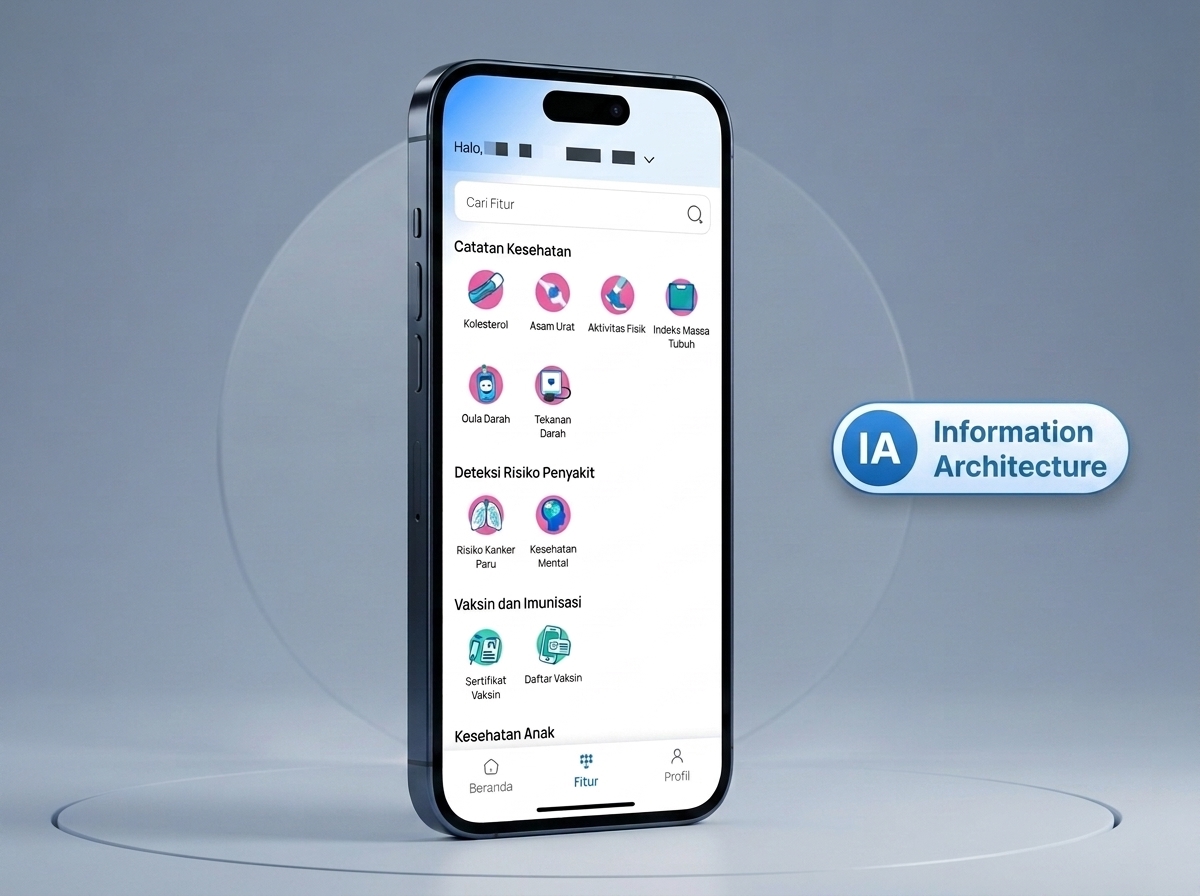
As the SATUSEHAT mobile app grew, new features were added directly to the homepage without clear sections or grouping.
This created a long, cluttered page where users struggled to find what they needed. The lack of structure increased user confusion and lowered task completion rates across the application.
Research Objectives
User Mental Models
Understand how users naturally group and think about different digital health services.
Scalable Navigation
Create a clear and scalable navigation structure for existing and future features.
Methodology
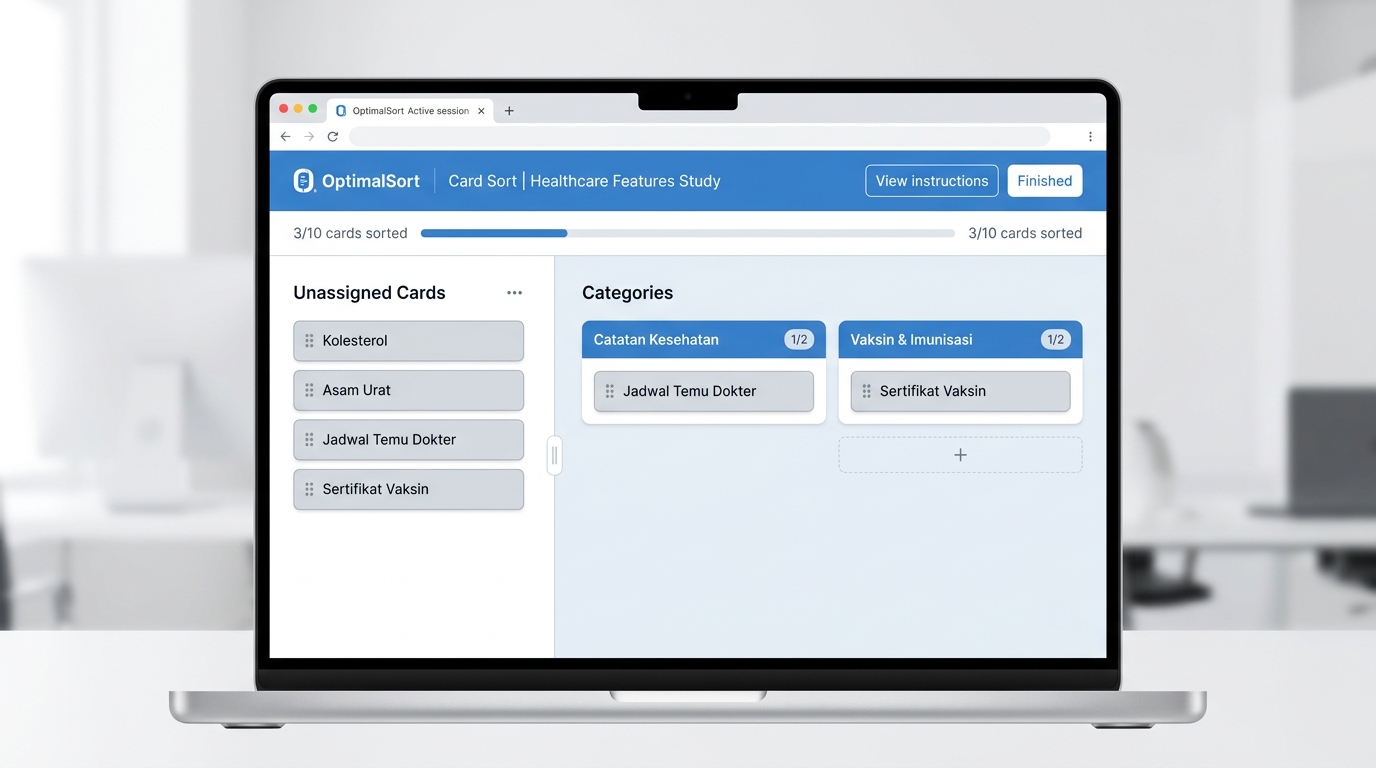
Qualitative Card Sorting
Ran card sorting sessions with 7 participants to see how users naturally organize healthcare features.

Stakeholder Alignment Workshop
Co-designed with product teams to turn user insights into a new homepage navigation layout.
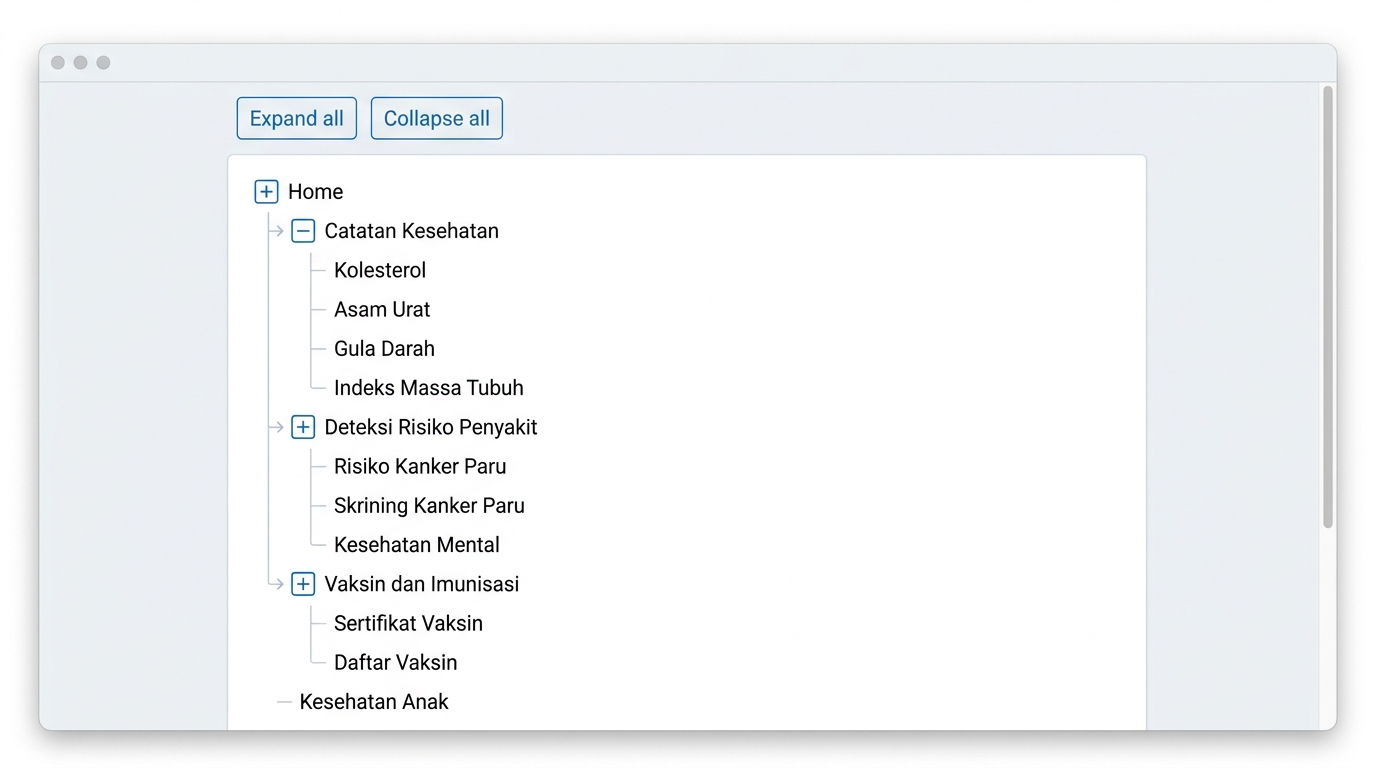
Quantitative Tree Testing
Tested the new structure with dozens of remote participants to measure how easily they navigated the layout.
Key Findings
Two Navigation Paths
The card sorting showed that users think about health features in two main ways: by specific health issues and by the practical function of the feature.
Validated Layout
The tree testing confirmed that the layout built with the team worked well, showing high completion rates and low user confusion.
Recommendations
Structure homepage features into clear, well-defined sections grouped by health topics and functional user tasks
Value and Impacts
Data Backed Design Changes
Validated the new navigation structure with hundreds of real users, making sure the design was proven to work before writing any code.
Architectural Scalability
Provided a solid framework for adding future features without cluttering the interface.
Measurable Drop Off Reduction
The final testing proved that the new layout made features significantly easier to find, directly reducing user search fatigue.